Measure a baseline, change one thing, then return to the baseline. If conditions drift or the differences are inconsistent, keep the conclusion open.
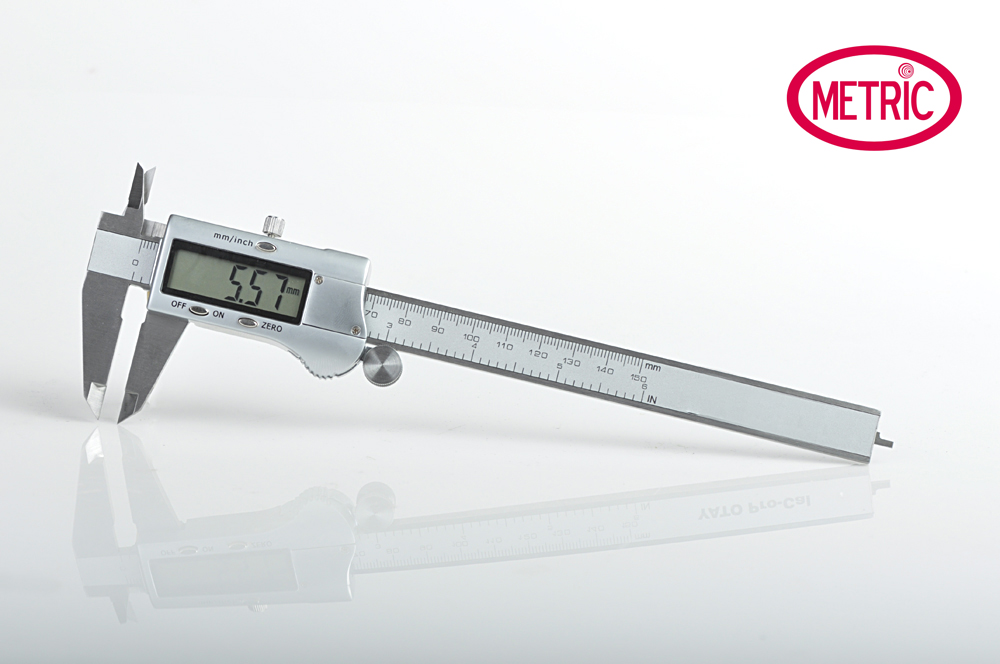
A caliper. This desk prefers measurements over slogans.
Lior Streng Created this photo · CC BY-SA 4.0
Photo credit & source ↗
View the teaching schematic
You fit a different tire, run one quick lap and decide it transformed the car. Perhaps it did. Perhaps the surface improved, the battery changed or you simply drove a cleaner lap. A small comparison cannot eliminate every uncertainty, but it can stop a memorable moment from becoming an unsupported setup rule.
Choose a question you can answer
Write one sentence before touching the car: 'Does this permitted tire option make my clean laps more consistent on today's track?' is useful. 'Is this tire the best?' is too broad. For a crawler, the outcome might be completing a specified obstacle without reversing. For a basher, choose a repeatable low-risk handling task rather than chasing maximum speed.
Team Associated's beginner tuning advice starts with consistent driving, recommends one adjustment at a time and tells drivers to record changes. The A/B/A procedure below is our editorial extension of that principle, not a manufacturer test result or a statistically validated product ranking.
Write the baseline before changing it
Record the exact vehicle, tires, gearing, battery, electronics settings and relevant suspension measurements. Add the surface, weather or indoor conditions and the task you will repeat. Check the car for damage and binding first; tuning a fault can disguise it rather than solve it. Use the ride-height guide if your baseline contains measurements you have not defined consistently.
Choose a stopping rule. Examples include new mechanical noise, a loose wheel, loss of control or a manufacturer limit being reached. Stop for those conditions; do not finish a comparison at the expense of safety. Keep a log of interruptions and repairs because either can invalidate the comparison.
Run A, then B, then A again
A is the original setup. B changes one permitted variable. The final A restores the original configuration and asks whether the initial conditions still seem comparable. Use the same course and timing method, and keep battery condition and rest periods as comparable as practical. Note differences you cannot control instead of claiming they disappeared.
Decide in advance what counts as a clean attempt. If a collision invalidates a lap, record the collision and exclude it under that same rule for all configurations. Do not delete an inconvenient clean result just because it contradicts your favourite setup. Keep raw observations alongside the summary.
Read a small sample honestly
This is invented arithmetic for teaching, not recorded driving:
| Configuration | Three clean laps, seconds | Median | Range |
|---|---|---|---|
| A, first run | 31.0, 31.5, 32.0 | 31.5 | 1.0 |
| B, one change | 30.8, 31.0, 31.4 | 31.0 | 0.6 |
| A, restored | 30.7, 31.0, 31.3 | 31.0 | 0.6 |
The median is the middle value after sorting; the range is the largest minus the smallest. B looked quicker than the first A, but the restored A matched B's median. Driver practice or changing conditions are plausible explanations. These nine invented laps do not establish which setup is better, and a range is not a confidence interval.
Keep, revert or repeat
Use three possible conclusions: promising enough to repeat, no useful difference observed, or comparison invalid. Those are more honest than assigning a winner every time. If B repeatedly helps your chosen task under comparable conditions, record the scope: this vehicle, this setup and these conditions. Do not convert it into a recommendation for every scale or driving style.
Save the result in the workbench setup sheet and print it before leaving; its notes are session-only. Link the test to the actual component change in your own records. A short, reproducible observation is worth more than a drawer full of unexplained upgrades.
Leave with a useful record.
This is a reading aid, not a safety certification. Checks stay only on this page and reset when you reload.
Sources & scope
Primary references checked September 19, 2026. These dates describe source review, not publication of this site. Examples labelled hypothetical or illustrative are not tests.
Team Associated — RC10 Classic manual: tuning tips
Supports: Consistent driving before tuning; One adjustment at a time and setup records.
Limit: Model-specific manual; its gearing and dimensional defaults are not generalized here. A/B/A procedure and numbers are original illustrative material.
Source publication: not established · Checked: 2026-09-19