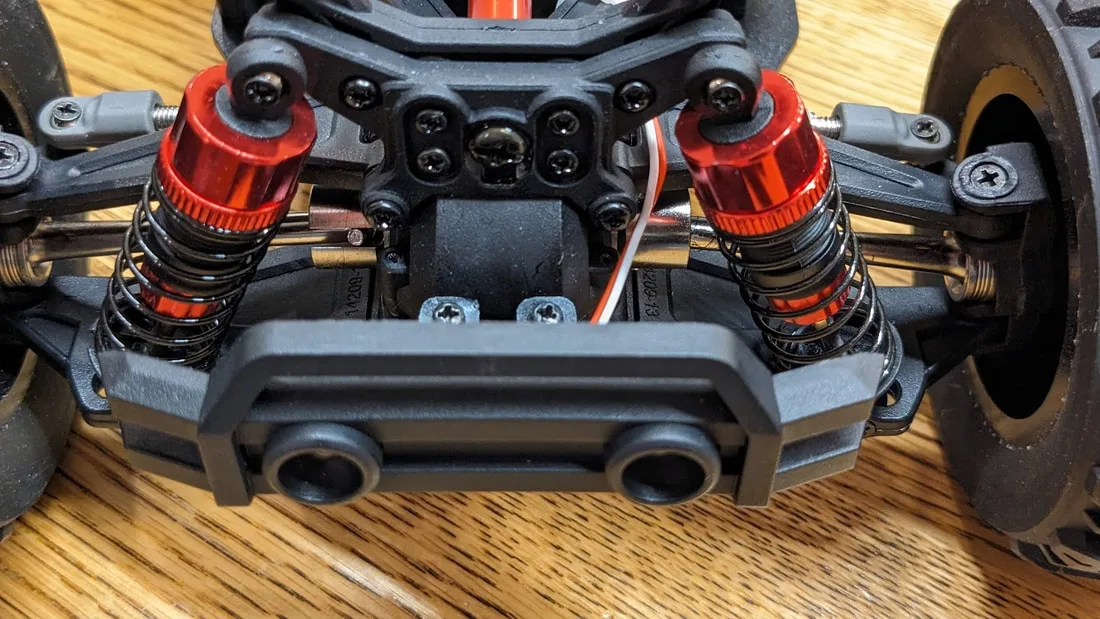
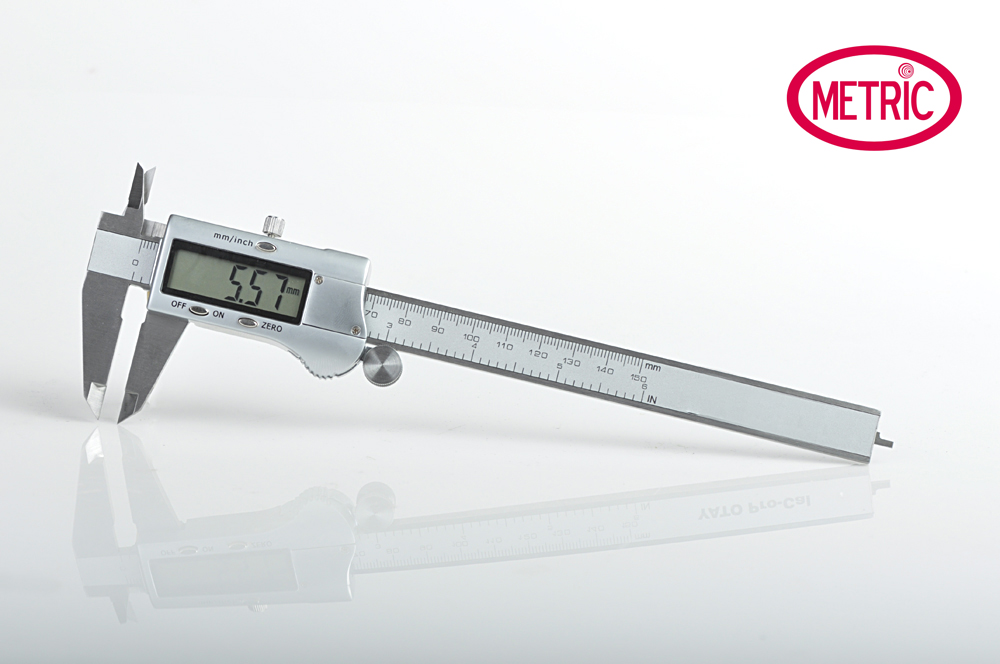
Steering works; no drive
Record ESC indicators and the precise symptom. Disconnect power before checking plugs or turning the drivetrain by hand.
Follow the inspection sequence ↗Choose what you observed, not the part you think you need. Start with inspection and let the evidence narrow the next step.
This is a reading navigator, not an automated diagnosis. Stop for smoke, battery damage, hot connectors, damaged wiring or unexpected motion; do not keep testing a fault.
No readings are collected or sent. The suggestions cannot confirm that a vehicle is safe.
Record ESC indicators and the precise symptom. Disconnect power before checking plugs or turning the drivetrain by hand.
Follow the inspection sequence ↗Start unpowered at the wheels. Isolate one assembly at a time; do not use throttle to force a tight mechanism.
Follow the inspection sequence ↗Look for damage, leaks and binding before changing a setting. Compare a matched pair under the same conditions.
Follow the inspection sequence ↗Inspect travel unpowered first. Powered centring and endpoint checks follow the exact servo and radio instructions.
Follow the inspection sequence ↗A calm, repeatable clean-down that separates loose dirt, trapped moisture and parts worth inspecting.
Open the guide ↗Turn a parts diagram into a careful maintenance map.
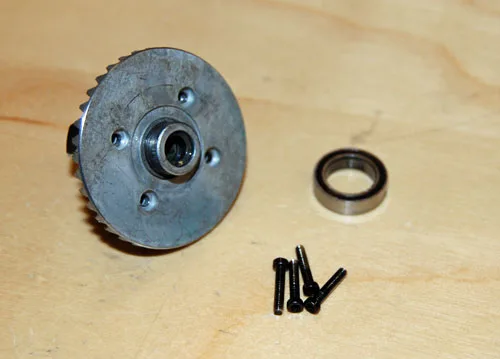
Open the guide ↗A manual-led way to inspect gears and return a diff to a known baseline.
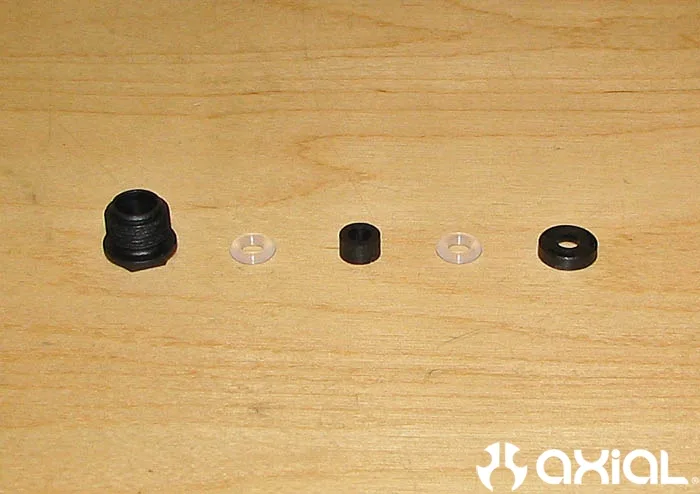
Open the guide ↗A paired-shock workflow that makes air, fill and front/rear identity visible.
Open the guide ↗A measured, manual-led first pass that separates alignment from every other setup change.
Open the guide ↗A faster lap is a clue, not a verdict. Compare repeatable runs, record mistakes and return to the baseline before drawing a conclusion.
Open the guide ↗