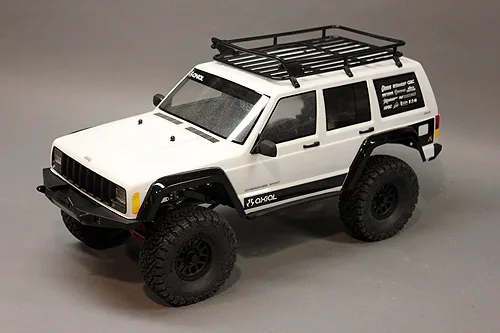
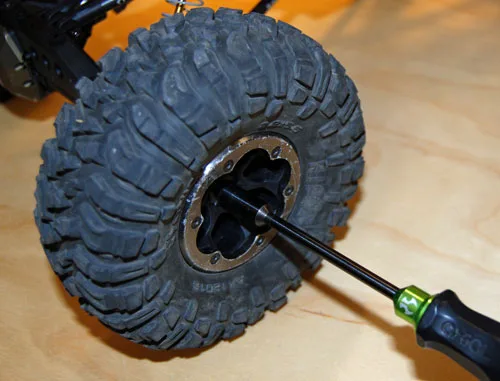
The common reference point
At the default 4,500 mm reference, nominal length is 450 mm. Use that only to compare ratios here; production 1:10 platforms vary substantially by genre and wheelbase.
Use one full-size reference to make the ratios legible—then check the actual chassis, body, wheelbase and tire clearance.
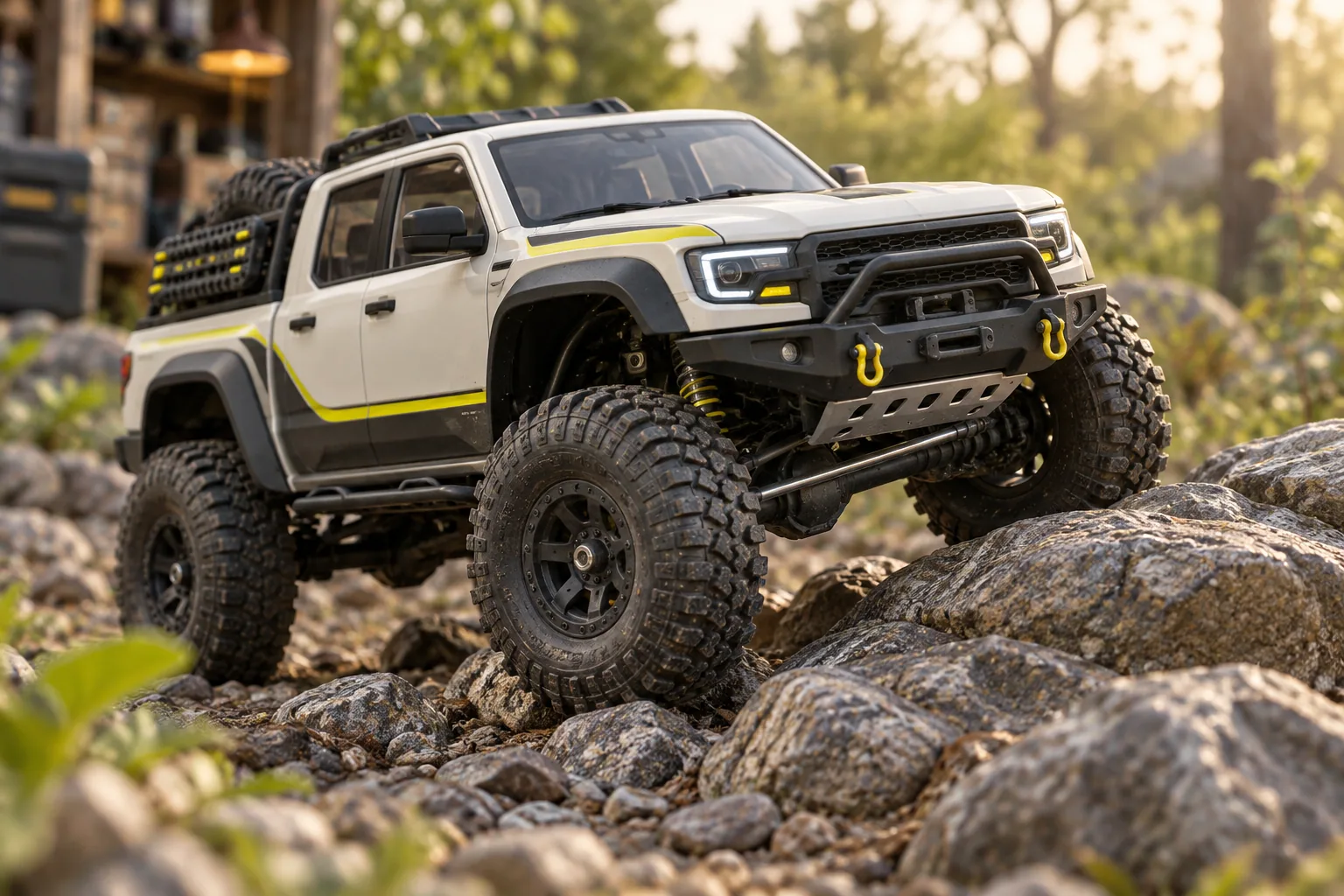
“1:10” means one model unit represents ten full-size units. It does not standardize every body shape, wheelbase, width, tire or class. An RC label is a useful starting language, especially around 1:10 and 1:8—not an interchangeability standard.
A shared illustration, not a claimed dimension for a particular car.
At the default 4,500 mm reference, nominal length is 450 mm. Use that only to compare ratios here; production 1:10 platforms vary substantially by genre and wheelbase.
At the same reference, 1:8 is 562.5 mm: 25% longer than 1:10. That ratio comparison says nothing by itself about width, mass, battery space, terrain or local class rules.
Confirm wheelbase and body mounts; wheel/hex and axle format; overall tire diameter and clearance; gearing and motor-temperature guidance; and the manual’s intended use. A label alone cannot clear any of these checks.
Vehicle genres do not preserve one body-to-wheelbase proportion. The bars below are ruler-backed relative silhouettes, not drawings of a real car. They are designed to show the arithmetic honestly while avoiding a false impression that every model in a labelled scale has the same dimensions.
Method: displayed length = full-size reference ÷ nominal scale. Inputs accept 2,500–6,500 mm so the illustration remains a passenger-car-like reference range; this is a UI bound, not a definition of a vehicle class.
Scale is only the first clue. Build a fit sheet for wheelbase, width, mounts and moving clearance before committing to a shell.
Open the guide ↗A condition-first workflow for a second-hand chassis.
Open the guide ↗A paced build plan that preserves decisions, hardware and manual context.
Open the guide ↗